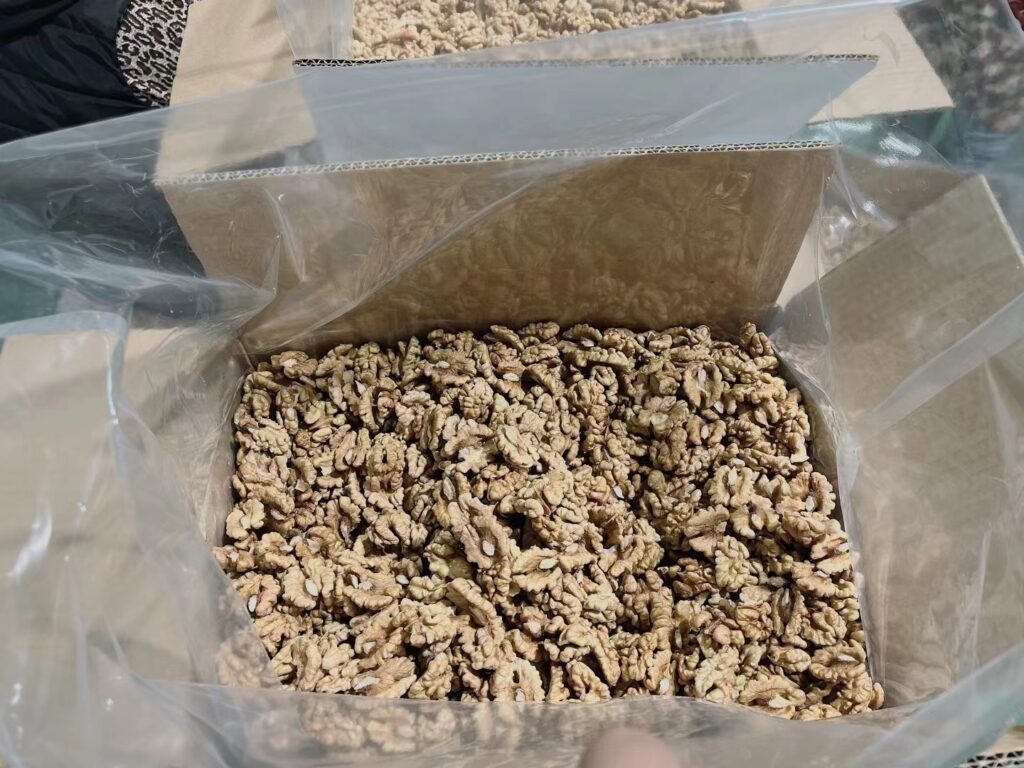

Walnut Kernel Color Grades: Extra Light vs Light vs Amber (2026 Buyer Guide)
Walnut kernel color grades are one of the most important factors buyers consider when sourcing in bulk. In international trade, categories such as Extra Light, Light, and Amber walnut kernels are widely used to define product appearance, pricing level, and market positioning.
For importers, wholesalers, and food manufacturers, understanding these walnut kernel color grades is essential because color often affects not only visual appeal, but also customer perception, product positioning, and final pricing strategy in different markets. In retail channels, lighter kernels are usually associated with premium quality, while in food processing, darker grades are often preferred for better cost efficiency.
However, many buyers still have common questions when comparing different walnut kernel color grades:
👉 Why do walnut kernel color grades vary from batch to batch?
👉 Does lighter color always mean better quality or fresher walnuts?
👉 Which walnut kernel color grade is most suitable for bakery, snacks, or bulk processing?
In this guide, we will explain what walnut kernel color grades really mean, how they are classified in global trade, and how buyers can choose the most suitable grade based on application, cost control, and market demand rather than appearance alone.
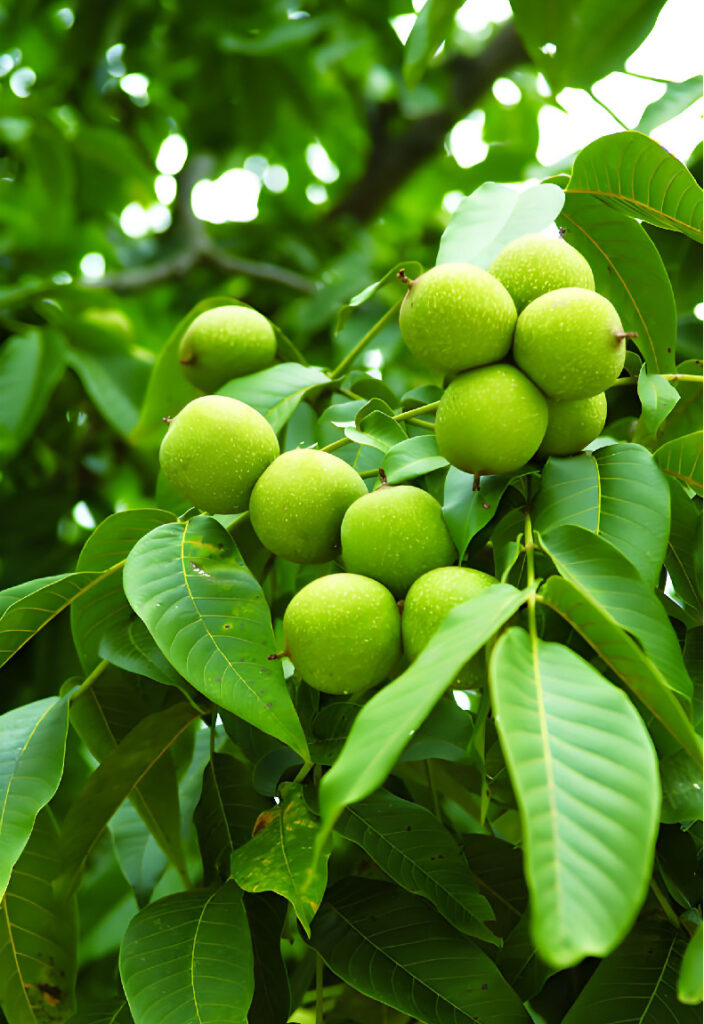
1. What Do Walnut Kernel Color Grades Mean?
Walnut kernel color is a natural characteristic influenced by several factors:
- Walnut variety
- Growing region and climate
- Harvest timing
- Storage and handling conditions
In global trade, walnut kernels are typically classified into:
- Extra Light
- Light
- Light Amber
- Amber
(Some markets also include Dark Amber for industrial use)
📌 Important:
These grades are based on natural appearance, not chemical processing.
2. Extra Light vs Light vs Amber – Key Differences
Extra Light Walnut Kernels
- Very pale, cream-like color
- Clean and uniform appearance
- Highest visual appeal
Typical applications:
- Premium bakery toppings
- High-end snack products
- Retail packaging
💰 Price level: Highest
Light Walnut Kernels
- Slightly deeper color than Extra Light
- Balanced appearance and cost
- Stable supply in bulk trade
Typical applications:
- Bakery fillings
- Snack processing
- Nut mixes and confectionery
💰 Price level: Medium
👉 Most commonly traded grade
Light Amber / Amber Walnut Kernels
- Golden to brownish tone
- Strong natural walnut flavor
- Lower visual priority
Typical applications:
- Bakery ingredients
- Ground walnut products
- Cost-sensitive production
💰 Price level: More competitive
👉 View walnut kernel more articles:
https://www.ruihejin.com/peeled-vs-unpeeled-walnut-kernels/
https://www.ruihejin.com/walnut-kernel-price-guide-2026/
3. How Walnut Kernel Color Affects Applications
Appearance
- Light grades → ideal for visible toppings
- Amber grades → suitable for mixed or processed foods
Cost Control
- Extra Light → premium pricing
- Light & Amber → better cost-performance for bulk buyers
Flavor & Nutrition
👉 Color does NOT significantly affect:
Core walnut flavor
Nutritional value
Oil content
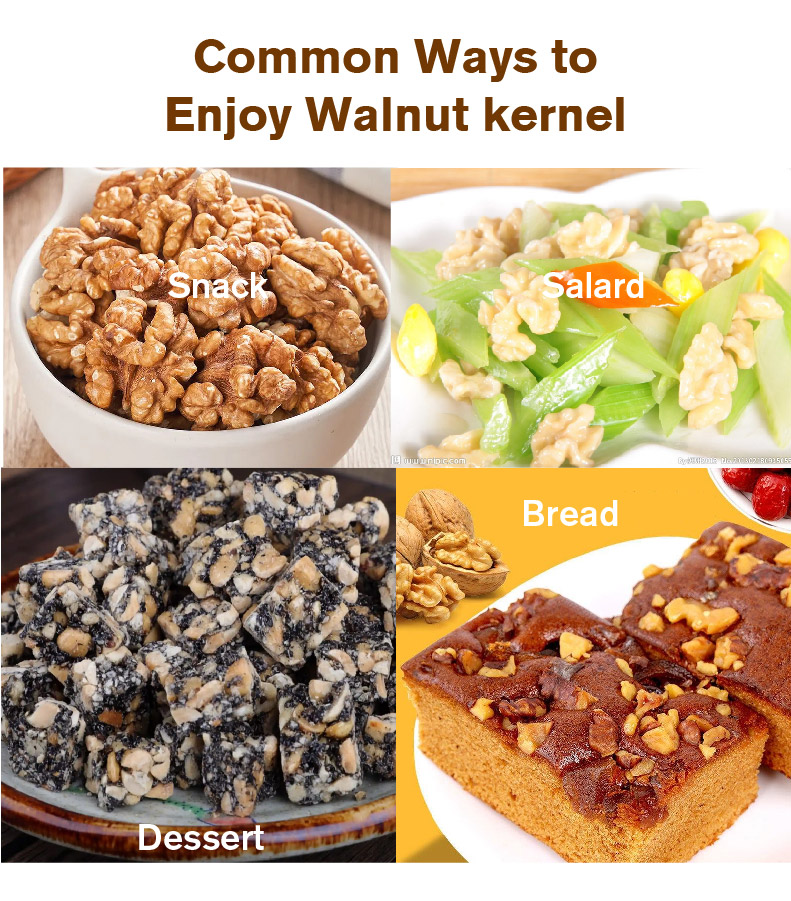
4. Does Darker Color Mean Lower Quality?
👉 The answer is: No.
This is a common misconception in the walnut trade.
Darker walnut kernels do NOT mean:
- Poor quality
- Old stock
- Unsafe product
Color variation is often caused by natural oxidation during storage.
👉 Related reading:https://www.ruihejin.com/walnut-kernels-turn-dark/
5. How to Choose the Right Walnut Kernel Color Grade
For importers and food manufacturers, the key is to match the grade with application:
✅ Choose Extra Light if:
- Appearance is critical
- Targeting premium retail markets
✅ Choose Light if:
- You need a balance of quality and cost
- Supplying bakery or snack products
✅ Choose Amber if:
- Cost efficiency is the priority
- Used for processing, grinding, or mixing
6. Practical Tips for Bulk Buyers
Before placing an order, consider:
✔ Final product visibility
✔ Processing method (baking, mixing, grinding)
✔ Target market expectations
✔ Budget and cost structure
👉 View walnut kernel specifications:https://www.ruihejin.com/product/walnut-kernels/
Conclusion
Walnut kernel color grades such as Extra Light, Light, and Amber are useful for product classification, but lighter color does not always mean better quality.
For professional buyers, the key is:
👉 Choosing the right grade based on application, not appearance alone
Understanding these differences helps importers make more cost-effective and practical sourcing decisions in the global walnut market.
Looking for a Reliable Walnut Kernel Supplier?
✔ Bulk walnut kernels available
✔ Light, Light Amber, and Amber grades
✔ Stable supply & competitive price
✔ Free samples for testing
👉 Contact us now for latest price & samples