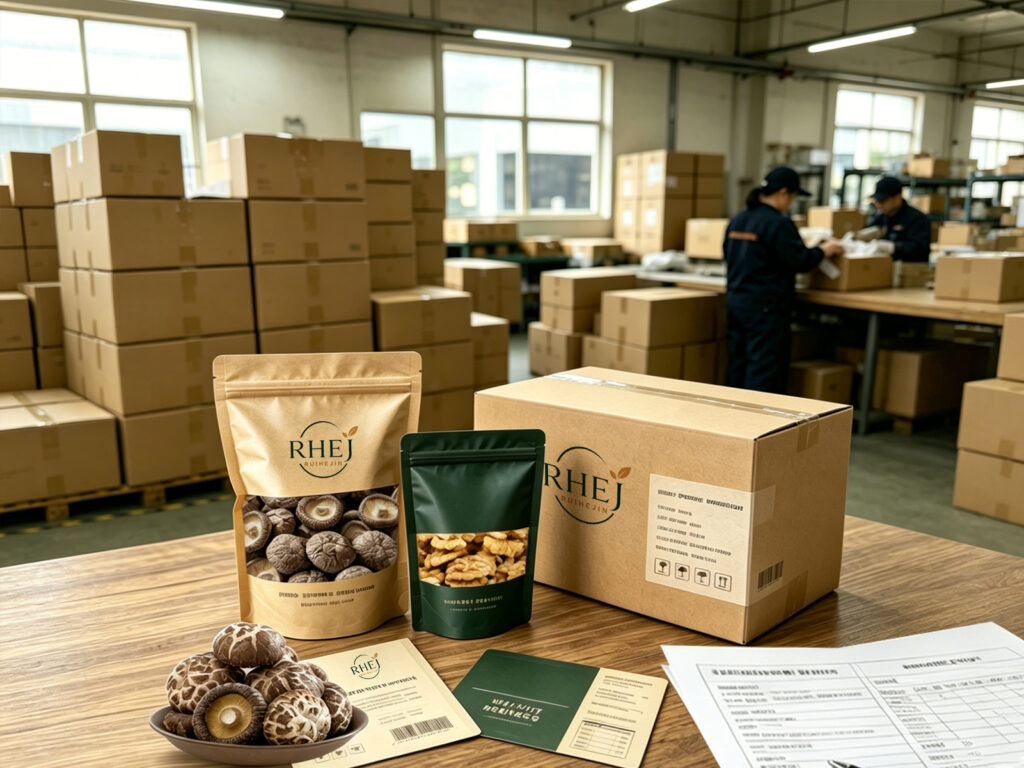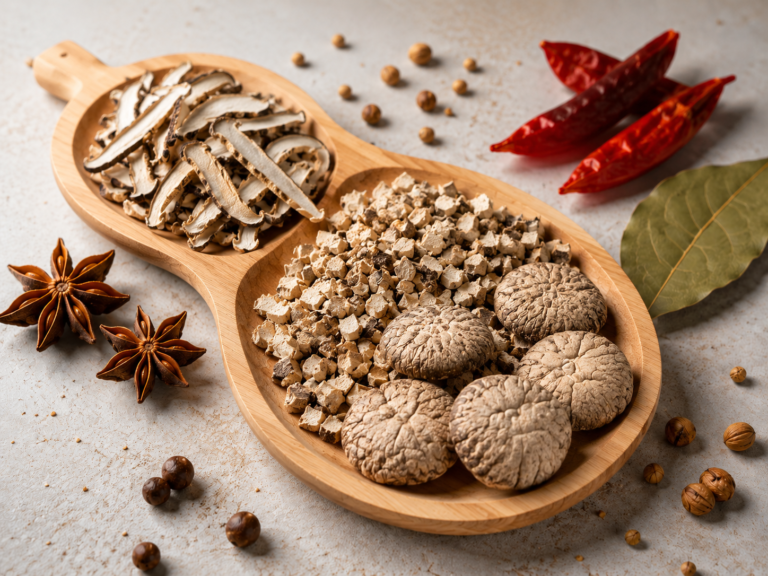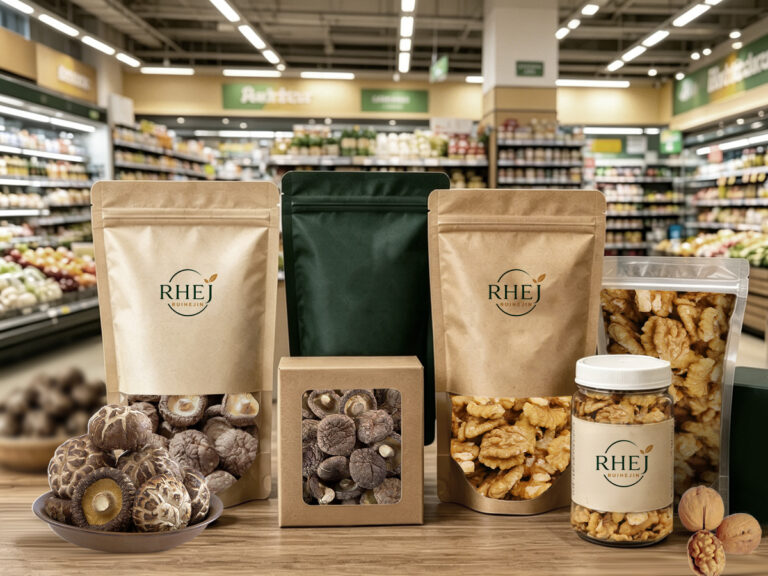

China is one of the world’s major producers and suppliers of dried shiitake mushrooms. For overseas buyers, understanding the China Shiitake Mushroom Export Process can make sourcing easier and help reduce misunderstandings when purchasing from Chinese suppliers.
From product selection and quality confirmation to packaging, documentation, and international shipment, each step plays an important role in a successful transaction.
This guide explains the typical export process for dried shiitake mushrooms from China and what importers should confirm before placing an order.
1. Confirm the Product Type and Specification
The first step in the China Shiitake Mushroom Export Process is confirming exactly what product the buyer needs.
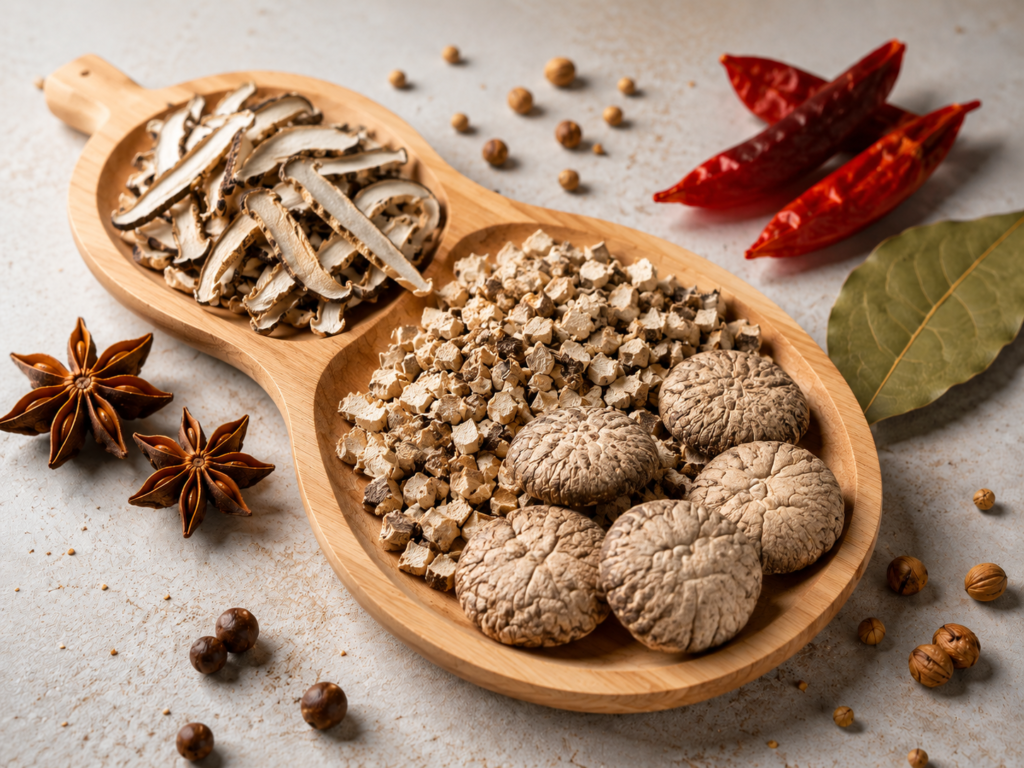
Dried shiitake mushrooms are available in different types and specifications, including:
- Flower Mushrooms
- Thick Shiitake
- Whole dried shiitake mushrooms
- Sliced shiitake mushrooms
- Different cap sizes and grades
Importers should avoid ordering based only on a general product name. A clear specification should normally include:
- Product type
- Cap size
- Thickness
- Grade
- Moisture requirement
- Stem requirement
- Broken rate
- Packaging
For a better understanding of product classification, you can read our Dried Shiitake Mushroom Grades & Sizes Guide.
2. Evaluate Product Quality
Once the specification is confirmed, product quality should be evaluated before production or shipment.
Importers commonly review:
- Appearance
- Size consistency
- Cap thickness
- Aroma
- Color
- Cleanliness
- Moisture
- Broken rate
For first-time cooperation, requesting samples can be a practical way to confirm whether the product meets the buyer’s expectations.
You can also read Common Quality Problems in Dried Shiitake Mushrooms and How to Avoid Them.
3. Confirm Price and Trade Terms
After confirming the product specification and quality, the buyer and supplier normally discuss the commercial terms.
Important points may include:
- Product price
- Order quantity
- Minimum order quantity
- Packaging cost
- FOB, CIF, or other agreed trade terms
- Payment terms
- Delivery schedule
Importers should ensure that the quotation is based on the same product specification being discussed.
A price comparison is meaningful only when factors such as size, grade, packaging, and quality standards are the same.
4. Production, Sorting, and Quality Control
After order confirmation, the supplier prepares the products according to the agreed specification.
The process may include:
Raw material selection → Sorting → Grading → Quality inspection → Packaging
Professional sorting is important because buyers may have different requirements regarding size, appearance, stem length, and broken rate.
A supplier with processing capability can often provide better control over product consistency.
Learn more about choosing a supplier in our guide: How to Choose a Reliable Shiitake Mushroom Supplier from China.
5. Export Packaging
Packaging should match both the product requirements and the transportation conditions.
Common export packaging may include:
- Food-grade inner bags
- Vacuum packaging when required
- Bulk cartons
- Customized retail packaging
For importers, packaging should be confirmed before production, including:
- Net weight per package
- Inner bag requirements
- Carton dimensions
- Label information
- Pallet requirements
Proper packaging helps protect dried shiitake mushrooms during storage and international transportation.
For more information, see our Dried Shiitake Mushroom Packaging Guide.
6. Pre-Shipment Inspection
Before shipment, buyers and suppliers should confirm that the final products match the agreed specifications.
Typical checks may include:
- Product appearance
- Grade and size
- Packaging
- Net weight
- Carton quantity
- Label information
Some buyers may also arrange third-party inspection depending on their purchasing requirements.
Clear quality standards before shipment can help reduce potential disputes after arrival.
7. Export Documentation
Export documentation is an important part of the China Shiitake Mushroom Export Process.
Depending on the destination market and transaction requirements, export documents may include:
- Commercial Invoice
- Packing List
- Bill of Lading
- Certificate of Origin
- Other documents required by the destination country
The exact documentation requirements can vary depending on the importing country, product regulations, and buyer requirements.
Importers should confirm documentation requirements before shipment rather than waiting until the goods are ready to ship.
8. International Shipment
After the cargo is ready and export arrangements are completed, the shipment can be arranged according to the agreed trade terms.
Common options include:
- Sea freight
- Air freight for smaller or urgent orders
- Other logistics arrangements depending on the destination
Shipment planning should consider:
- Transit time
- Cost
- Container or cargo requirements
- Destination port
- Local import procedures
Experienced exporters can coordinate closely with freight forwarders and buyers to support a smooth shipping process.
9. Customs Clearance and Arrival
After the shipment arrives, the importer normally handles customs clearance according to local regulations.
Requirements may vary by country and may include:
- Import declarations
- Food-related documentation
- Customs duties
- Local inspection requirements
- Product labeling compliance
Importers should understand their destination market requirements before placing an order.
10. Why Clear Communication Matters
Successful international food trade depends heavily on clear communication between buyers and suppliers.
Before confirming an order, both parties should clearly agree on:
✔ Product specification
✔ Quality standard
✔ Packaging
✔ Quantity
✔ Price
✔ Trade terms
✔ Delivery schedule
✔ Documentation requirements
A detailed specification helps ensure that the products shipped match the buyer’s expectations.
China Shiitake Mushroom Export Process: Final Thoughts
The China Shiitake Mushroom Export Process involves much more than simply purchasing products and arranging shipment.
Successful sourcing usually follows a clear process:
Product Selection → Specification Confirmation → Sample Evaluation → Price Agreement → Processing & Sorting → Quality Control → Packaging → Documentation → Shipment
For importers, working with a supplier that understands product specifications, quality control, export packaging, and international shipping can make the sourcing process more efficient.
When importing dried shiitake mushrooms from China, the most important step is to clearly define your product requirements before production begins.
Looking for a Dried Shiitake Mushroom Supplier from China?
We supply dried shiitake mushrooms for international importers, wholesalers, food service companies, and food businesses.
Our products include:
- Flower Mushrooms
- Thick Shiitake
- Different sizes and grades
- Whole and sliced products
- Bulk export packaging
- Customized packaging options
With professional processing and export support, we help international buyers source dried shiitake mushrooms according to their market requirements.
Contact us to discuss your dried shiitake mushroom sourcing requirements.
Related Articles
- What Is Flower Mushroom?
- Flower Mushroom vs Thick Shiitake
- Whole vs Sliced Shiitake Mushrooms
- Sun-Dried vs Machine-Dried Shiitake Mushrooms
- Common Quality Problems in Dried Shiitake Mushrooms
- Dried Shiitake Mushroom Grades & Sizes
- Dried Shiitake Mushroom Supplier in China
- Contact Us
📲 WhatsApp:https://wa.me/8613682209753
📩 Email:elina@ruihejin.com