
When importing walnut kernels from China, how to evaluate walnut kernel quality before placing an order is essential for buyers who want stable supply and consistent market value. Different walnut kernel grades can vary significantly in appearance, taste, processing performance, and final price.
Many importers focus only on walnut kernel price per kilogram, but experienced buyers understand that quality factors such as color, size, moisture content, breakage rate, and supplier reliability directly affect profitability.
A professional walnut supplier should provide clear product specifications and quality standards before shipment. This guide explains the key factors global importers should consider when evaluating walnut kernel quality before importing.

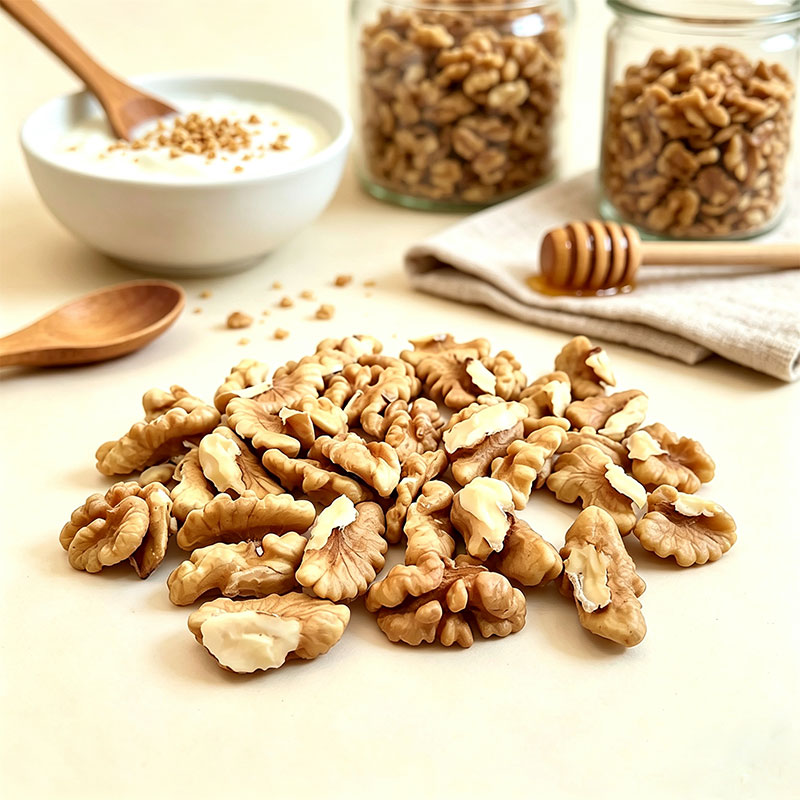
1. Check Walnut Kernel Color and Appearance
Color is one of the most important indicators when evaluating walnut kernel quality.
High-quality walnut kernels usually have:
- Light natural color
- Clean appearance
- Uniform shape
- No visible mold or discoloration
- No foreign materials
The market value of walnut kernels is often influenced by their color grade.
For example:
Light walnut kernels are commonly preferred by supermarkets, snack brands, and premium food companies because of their attractive appearance.
Darker walnut kernels may still be suitable for food processing, baking, and oil production where appearance is less important.
Related products:
2. Evaluate Walnut Kernel Size and Grade
Walnut kernels are usually classified according to size and physical condition.
Common categories include:
- Walnut halves
- Walnut quarters
- Walnut pieces
- Broken walnut kernels
Different buyers have different requirements.
For example:
- Snack companies often prefer larger walnut halves.
- Bakery manufacturers may choose walnut pieces for cost efficiency.
- Food processors may require consistent sizes for production.
Before importing, buyers should confirm:
- Kernel size
- Percentage of halves
- Broken rate
- Sorting standards
A clear specification prevents misunderstandings between buyers and suppliers.
3. Check Moisture Content and Storage Stability
Moisture content is a critical factor affecting walnut kernel shelf life.
If moisture is too high, walnut kernels may experience:
- Mold growth
- Quality deterioration
- Shorter storage time
- Unpleasant taste
Professional exporters normally control moisture levels according to international trade requirements and customer specifications.
Importers should always ask suppliers:
- What is the moisture percentage?
- How are walnuts dried and stored?
- What storage conditions are recommended?
Proper moisture control helps maintain product quality during long-distance transportation.
4. Evaluate Taste, Freshness, and Rancidity
Walnut kernels contain natural oils, which means freshness is extremely important.
Good quality walnut kernels should have:
✔ Fresh nutty aroma
✔ Natural walnut taste
✔ No bitter flavor
✔ No oily or rancid smell
Rancidity usually indicates oxidation caused by poor storage conditions or long storage periods.
Before large-volume purchasing, importers should request samples and conduct sensory evaluation.
Sample approval before bulk ordering can reduce quality risks.
5. Understand Processing and Sorting Standards
Different suppliers may use different processing methods.
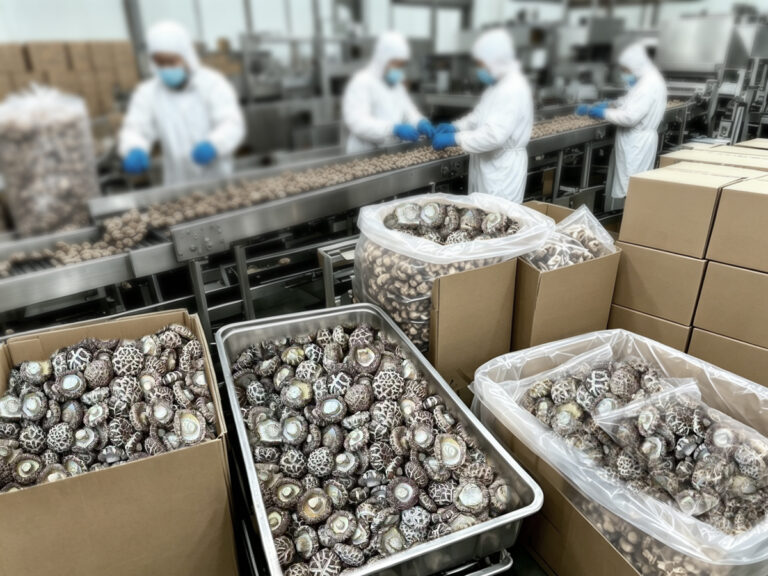
Professional walnut kernel suppliers usually have processes including:
- Shell removal
- Manual or mechanical sorting
- Size grading
- Color selection
- Metal detection
- Export packaging
Buyers should ask suppliers about:
- Production process
- Sorting method
- Quality inspection procedures
- Production capacity
A supplier with stable processing capability can provide more consistent quality for long-term business.
6. Check Packaging for International Shipping
Walnut kernel packaging directly affects product quality during transportation.
Common export packaging options include:
- Vacuum bags
- Aluminum foil bags
- Cartons
- Bulk bags
- Customized private label packaging
Good packaging helps prevent:
- Moisture absorption
- Oxidation
- Foreign contamination
- Damage during transportation
For importers selling under their own brand, OEM packaging can also improve market competitiveness.
7. Request Samples Before Bulk Import
Before placing a large walnut kernel order, professional buyers should always request samples.
A proper sample evaluation should include:
- Appearance inspection
- Size comparison
- Taste test
- Packaging review
- Cooking or processing test (if applicable)
Samples allow buyers to confirm whether the supplier can meet their market requirements.
A reliable supplier should be willing to provide detailed specifications and communicate clearly about quality expectations.
8. Choose a Reliable Walnut Kernel Supplier
Price is important, but supplier reliability is equally important for international buyers.
A reliable walnut supplier should provide:
- Stable raw material sources
- Consistent product quality
- Export experience
- Clear documentation
- Flexible packaging solutions
Long-term cooperation with a trusted supplier can help importers maintain stable inventory and reduce purchasing risks.
Conclusion: Quality Evaluation Helps Importers Make Better Decisions
Evaluating walnut kernel quality before importing helps buyers avoid unexpected problems and build a stable supply chain.
The best purchasing decision is not always choosing the cheapest walnut kernel quotation. Instead, successful importers consider product quality, processing standards, packaging, and supplier capability together.
As a China-based agricultural product supplier, Ruihejin provides bulk walnut kernels and customized supply solutions for wholesalers, food manufacturers, distributors, and private label brands worldwide.
Explore our walnut products:
Contact us for walnut kernel samples and bulk quotation.